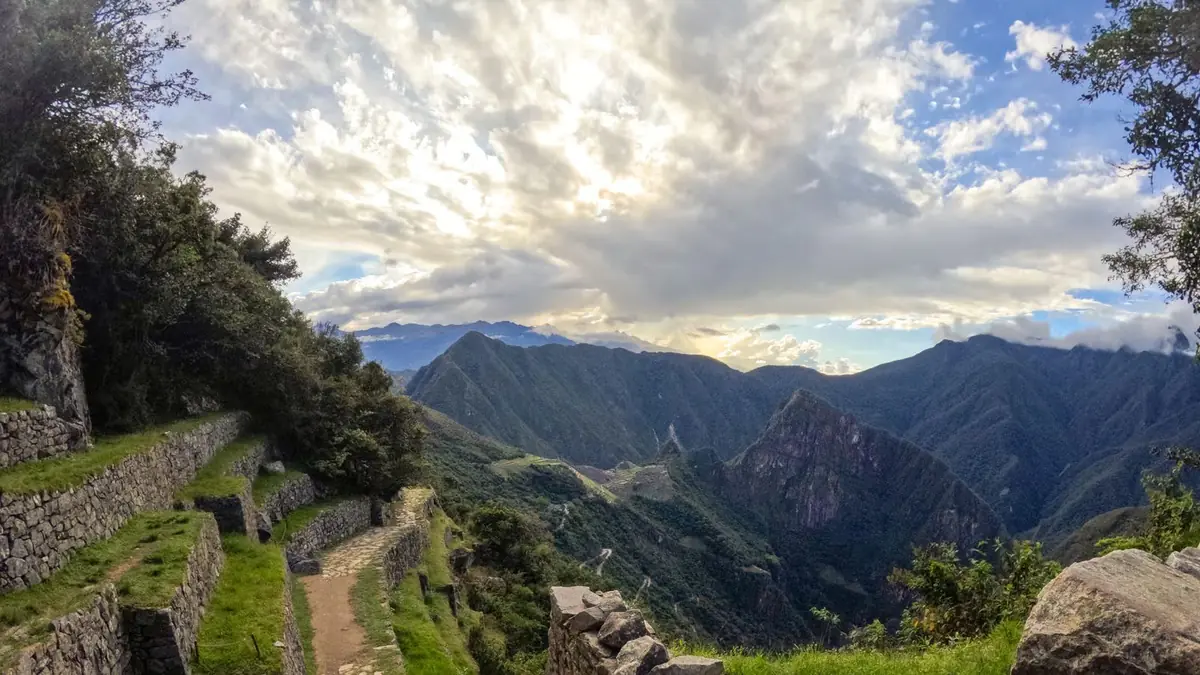
When is the best time for Inca Trail tours?
Go in May or September if you can: dry trail, clear views and permits that are still available a few months ahead. June to August is drier still, but those months sell out first and the nights at the high camps are the coldest of the year. The rainy months are quieter and easier to book, with wetter steps and cloudier mornings.
Dry, fewer people, permits a few months ahead.
Book as soon as permits open; very cold nights.
Showers, easier dates — except February.
Inca Trail in the rainy season
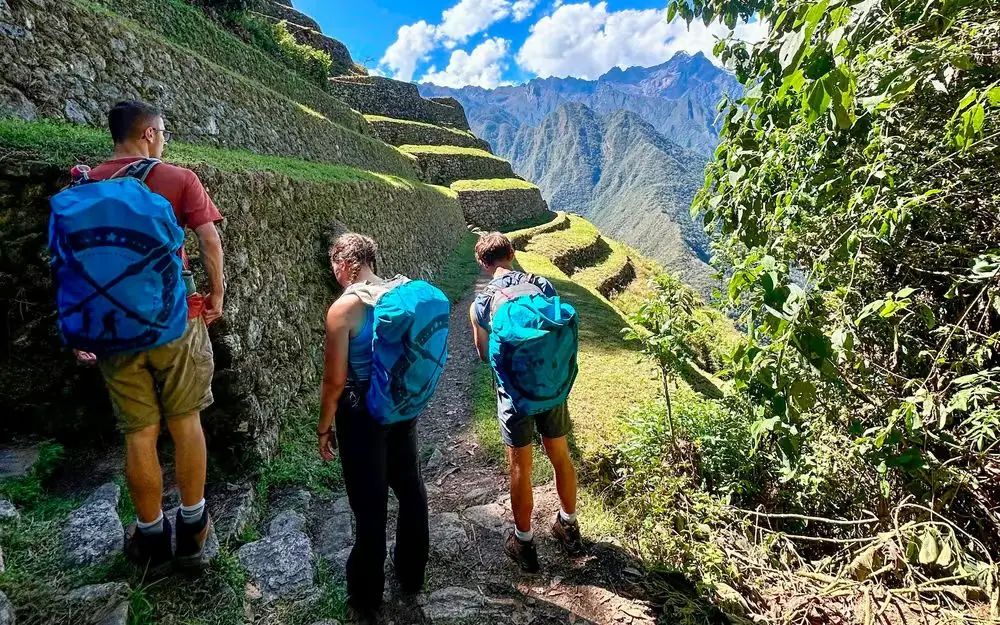
The rainy season runs from November to March: afternoon showers, slippery stone steps and clouds that often lift by mid-morning. It is also when permits are easiest to get and the valleys are greenest. Reviews from rainy months still praise the tours — one hiker noted it "all worked out really well despite a very rainy couple of days".
Why go
- Easier dates, fewer groups
- Green valleys and full waterfalls
- Short trail stays a good option
What to plan for
- Rain shell and pack cover
- Poles for wet descents
- Cloud at the Sun Gate some mornings
Best month for the Inca Trail
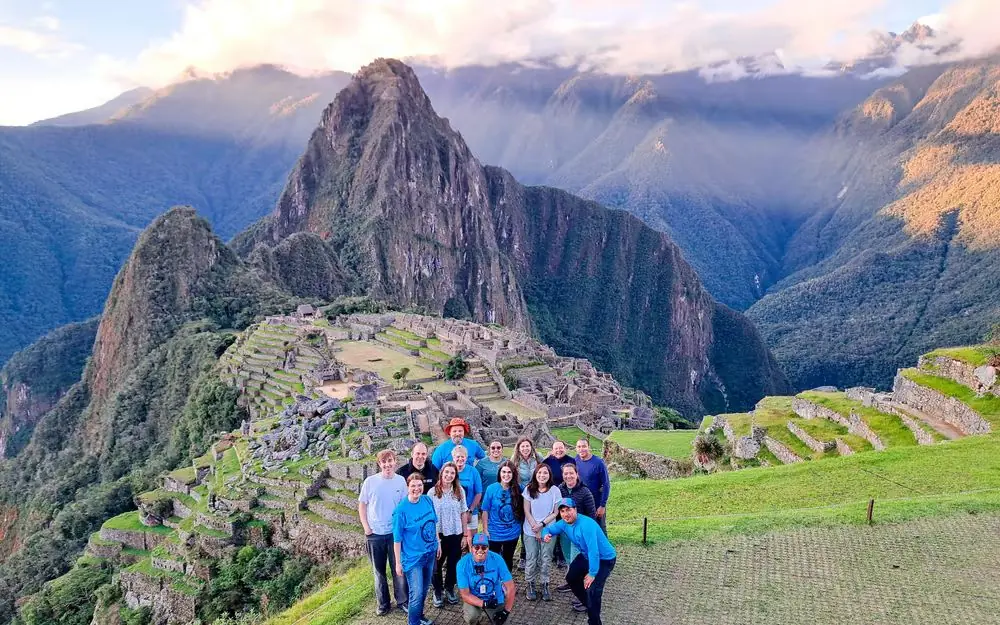
May is the best single month: the rains have ended, the hills are still green, and classic permits are usually still available a few months ahead. September is a close second with slightly milder nights. If you can only travel in July or August, book the moment permits go on sale and keep the 2-day short trail as a backup — it has its own quota.
Is the Inca Trail open in February?
No. The Inca Trail closes for the whole of February every year for maintenance, including the short trail from Km 104. Machu Picchu stays open, and you can still walk there on Salkantay, Lares or the Inca Jungle — muddy in February, but running.
When Inca Trail permits sell out
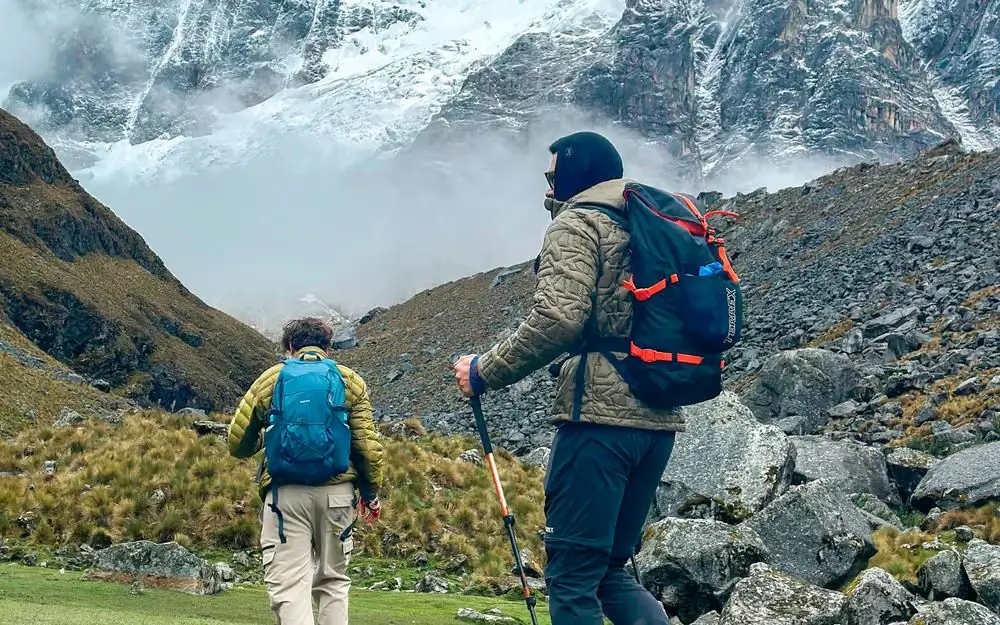
Permits for the next year go on sale in stages around the end of the year, and the dry months go first. Here is the usual order — 2027 permits were not yet on sale in November 2026.
Inca Trail weather by season
The trail has two seasons, not four: a dry season from April to October and a wet one from November to March. In the dry months days are clear and sunny while nights at the high camps are cold; in the wet months afternoon showers are common and the steps stay slippery. Altitude matters more than the calendar: Dead Woman's Pass is always colder and windier than the valley camps.
We will add temperature and rainfall figures to this guide once two independent sources agree on them — until then, the pattern above is what operators and reviewers consistently describe.
When to go: questions
Is the Inca Trail worth doing in the rainy season?
Yes, if you pack for rain: the trail is greener and quieter. Avoid February, when it is closed.
How cold is it at night?
Cold at the high camps, especially June to August; rent a warm sleeping bag. We publish exact temperatures once two sources agree.
What is Inti Raymi?
The Inca festival of the sun in Cusco on 24 June — spectacular, and the busiest week of the year for hotels.
Can I do the trail at Christmas?
Yes; it is the rainy season, but the holiday weeks are popular, so book early.
Is the short trail open when the classic is full?
Often yes — it has its own daily quota of 250.
When do Inca Trail permits sell out?
June to August dates usually go first, often months ahead; May and September are easier to get.